
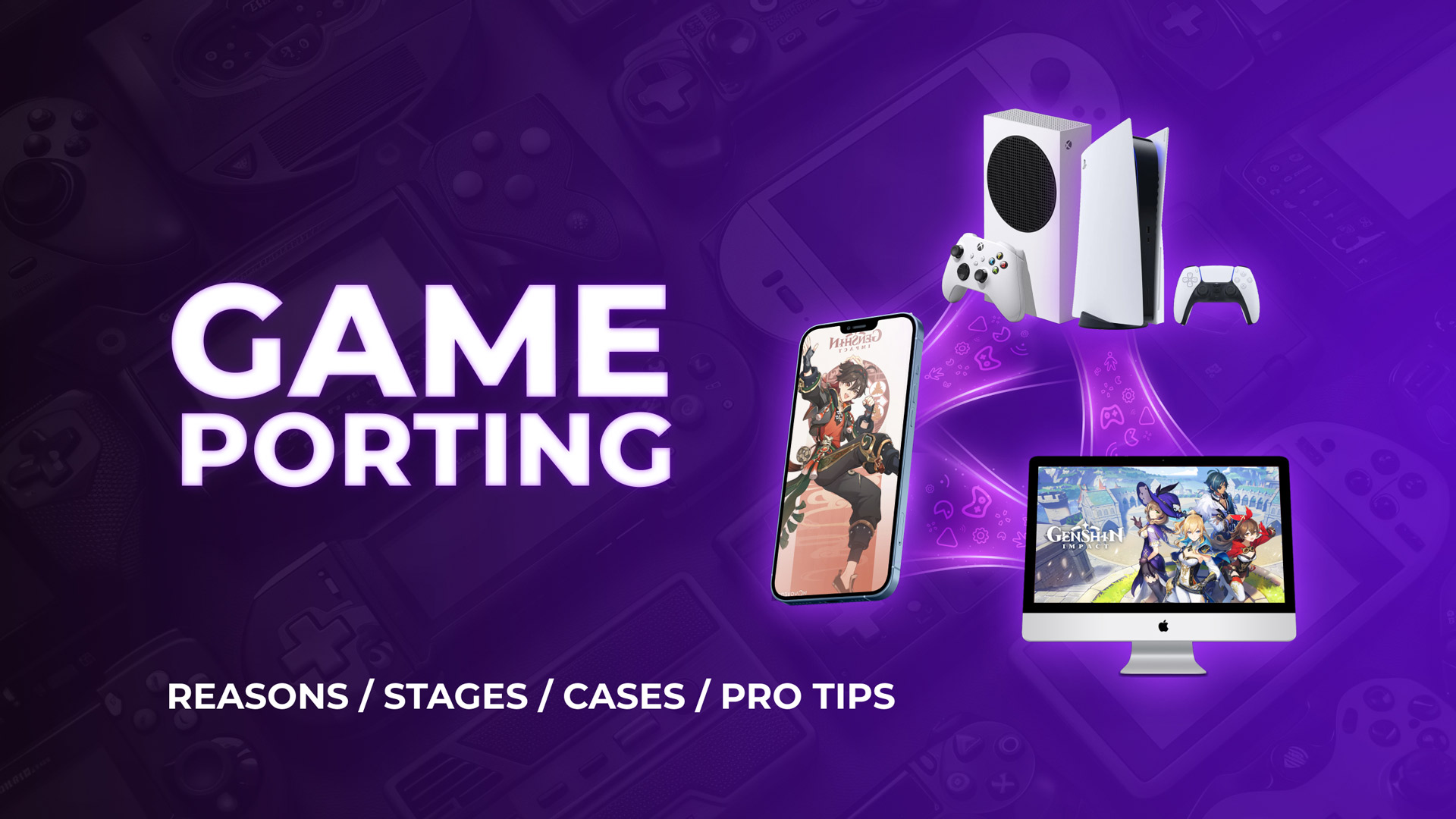
Game porting, the process of adapting a game to work on different platforms or systems, is a crucial step for game developers aiming to expand their audience and increase revenue. With the increasing diversity of gaming platforms, from mobile devices to consoles, porting your game successfully requires strategic planning and a thorough understanding of the differences between platforms. This article will guide you through the key secrets to successfully porting your game to new platforms.
1. Understand the Platform’s Unique Requirements
Each platform comes with its own set of hardware specifications, operating systems, and user expectations. For example, a game developed for consoles like PlayStation or Xbox may require different resolution settings, controller support, or specific input methods compared to a mobile game on iOS or Android.
Before porting your game, thoroughly research the platform’s technical requirements, guidelines, and best practices. This includes:
- Resolution and aspect ratio
- Supported game engines and tools
- Platform-specific input methods (e.g., touchscreen, controller, keyboard, etc.)
- App store guidelines and submission processes
- Networking and performance standards
Understanding these requirements early on can save you time, resources, and frustration later in the process.
2. Choose the Right Engine for Porting
The game engine you use for development can play a significant role in how easily you can port your game. Modern game engines, such as Unity or Unreal Engine, are designed to support multiple platforms, making them excellent choices for developers looking to port their games. These engines allow you to write code once and deploy it across various platforms with minimal changes.
However, if your game was not originally developed using one of these engines, you may need to convert or re-engineer some parts of the game’s code to make it compatible with the target platform. This might involve rewriting parts of the code or using specific tools and libraries designed for cross-platform compatibility.
Tip: Consider using engines that support cross-platform development from the start to make future porting efforts easier.
3. Optimize the Game for Each Platform
Porting a game is not just about making it work on a new platform; it’s also about ensuring it performs well on that platform. Every platform has unique strengths and limitations, so optimization is key to delivering the best user experience.
- Mobile devices: Ensure the game runs smoothly on a variety of devices with varying screen sizes, processor capabilities, and memory constraints. Pay attention to battery life, as mobile users will likely prefer games that don’t drain their battery too quickly.
- Consoles and PCs: Make sure the game runs in high resolution, takes advantage of hardware features like enhanced graphics, and supports appropriate input methods (controllers, keyboards, etc.).
Tip: Test your game on actual devices during the porting process to ensure performance meets expectations.
4. Maintain the Game’s Identity Across Platforms
One of the most important factors in successful game porting is maintaining the essence of the game across different platforms. While the technical requirements may differ, the core experience that players loved in the original game should remain intact. This includes:
- Graphics and visual design: Ensure that the visual quality is consistent across platforms, even if that means lowering the graphics settings for mobile devices while maintaining the visual integrity on consoles.
- Gameplay experience: The game’s mechanics, progression, and balance should stay the same. Players should feel like they are playing the same game, regardless of the platform.
Tip: Playtest across all platforms to ensure that the game feels and plays consistently across each one.
5. Handle Platform-Specific Features and Integration
Each platform often comes with unique features that can enhance the gameplay experience, such as:
- Touchscreen controls on mobile
- Online multiplayer and achievements on consoles
- Special hardware features (e.g., motion controls on the Nintendo Switch)
When porting your game, you should consider how to take advantage of these platform-specific features to provide an enhanced experience for players. For example, adding specific control schemes for mobile or console controllers can improve gameplay.
Tip: Look into platform-specific SDKs (software development kits) and APIs that allow you to take full advantage of each platform’s features, such as using gamepads for console games or implementing in-app purchases for mobile devices.
6. Quality Assurance (QA) and Testing Across Platforms
Once your game is ported, testing is the most important step in ensuring that it works as expected on each platform. QA testing should include:
- Platform-specific issues: Identify and resolve platform-specific bugs and performance issues.
- Cross-platform functionality: Test for features like cloud saves, multiplayer integration, and synchronization across platforms.
- Consistency in user experience: Ensure that the game feels just as good on all platforms and that no platform feels neglected.
Tip: Use automated testing tools where possible to speed up the process, but also conduct manual testing to catch any issues that may not be picked up by automated tools.
7. Consider Monetization Strategies for Each Platform
Monetization models can vary across platforms, and it’s important to align your strategy with the platform’s norms. For example:
- Mobile games: Typically use in-app purchases, ads, or subscriptions.
- Consoles/PCs: Often rely on a one-time purchase, DLCs, or microtransactions.
Make sure your monetization model works well within the framework of the target platform’s ecosystem, and be prepared to adapt your approach to fit the audience’s preferences.
Tip: Research how successful games on each platform monetize and adjust your strategy accordingly.
8. Focus on Marketing and Launch Strategies for Each Platform
The marketing and launch strategy for your game should differ depending on the platform you’re targeting. Each platform has a different user base, so it’s crucial to tailor your promotional efforts:
- App stores (iOS, Android): Focus on app store optimization (ASO), including keywords, descriptions, and attractive screenshots.
- Consoles: Partner with platform-specific influencers, showcase your game at gaming events, or work with platform curators for store features.
Create a unique strategy for each platform to maximize visibility and attract players.
Tip: Create platform-specific marketing campaigns to highlight the features and benefits of your game on each platform.
Conclusion
Porting a game to new platforms is an exciting opportunity to reach a broader audience, but it requires careful planning and attention to detail. By understanding the unique requirements of each platform, optimizing performance, and maintaining the core gameplay experience, you can successfully transition your game to multiple platforms. Don’t forget to leverage platform-specific features, perform thorough testing, and adapt your monetization and marketing strategies to ensure success across all platforms. With these steps in mind, your game can thrive on every platform it’s ported to.
No responses yet